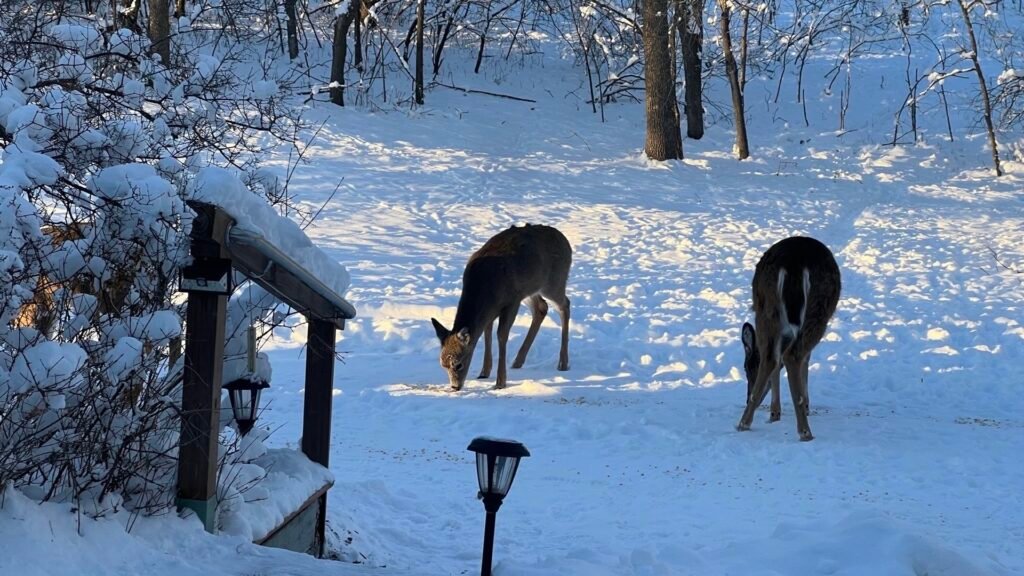
Beneath the snow, life waits to grow
Winter’s Hidden Habitats
Winter may look quiet, yet beneath the snow-covered fallen leaves, pollinators are waiting for spring.
Winter Pollinators: The Quiet Wonders of the Rest Season
Winter may look like a season of absolute stillness, but beneath the snow-covered fallen-leaves and frost-tipped seed heads, life is quietly thriving. The winter garden is far from empty. It becomes a crucial nursery where next year’s pollinators rest, develop, and find shelter under a protective seasonal blanket. They are waiting out the cold days right under our feet. Buried beneath the soil, they remain tucked into the hollows. of bare trees, or cradled inside fallen leaves.

____________________________________________________________________________________________
How Pollinators Survive Winter
Once the autumn colors fade and the last blooms turn brown, our local insects enter a deeply synchronized period of rest. To survive the freezing temperatures, pollinators rely on one of three brilliant survival strategies.
True-Hibernation: Mature adults rest in highly protected, insulated spaces like deep tree hollows.
Overwintering in Stages: Pollinators pause their life cycle, remaining completely stills eggs, larvae, or chrysalises tucked into ground cover.
Grand-Migration: species like the Monarch bypass the freeze entirely, flying thousands of miles south to warmer regions.
The success of these strategies depends entirely on finding a suitable habitat that remains completely undisturbed until spring. The small choices we make in our winter yards directly dictate how many bees and butterflies will return to wake up our spring gardens.
The Cold-Weather Sleepers
If you pull back a piece of loose bark or peer into a brush pile on a crisp January morning, you might stumble upon a Mourning Cloak or a Comma butterfly. Unlike most insects that perish or sleep as larvae in winter, these hardy adults produce a natural antifreeze in their blood. They drop their metabolic rate to near zero, freezing solid through the winter months. On the very first warm day, they thaw out and take flight on the very first warm day of spring.
How Bees Survive Winter: Hidden Nurseries
Long before the first snowfall, most of our native bees have already settled into their winter homes. They have carefully selected micro-habitats that shield them from the biting wind and winter predators.
Social Bees (Colonies): Honey bees remain active inside their permanent hives, forming a tight, vibrating cluster around their queen to generate body heat. Meanwhile, the worker bumblebees have passed away, leaving only the newly mated queens to sleep alone in tiny underground burrows.
Solitary Bees (Above & Below Ground): The next generation of solitary architects, like mining, leafcutter, and mason bees, are spending the winter as tucked-away pupae. Found-nesters rest inside hidden subterranean tunnels, while cavity-nesters wait inside the hollow chambers of standing stems.
PICT Seed heads
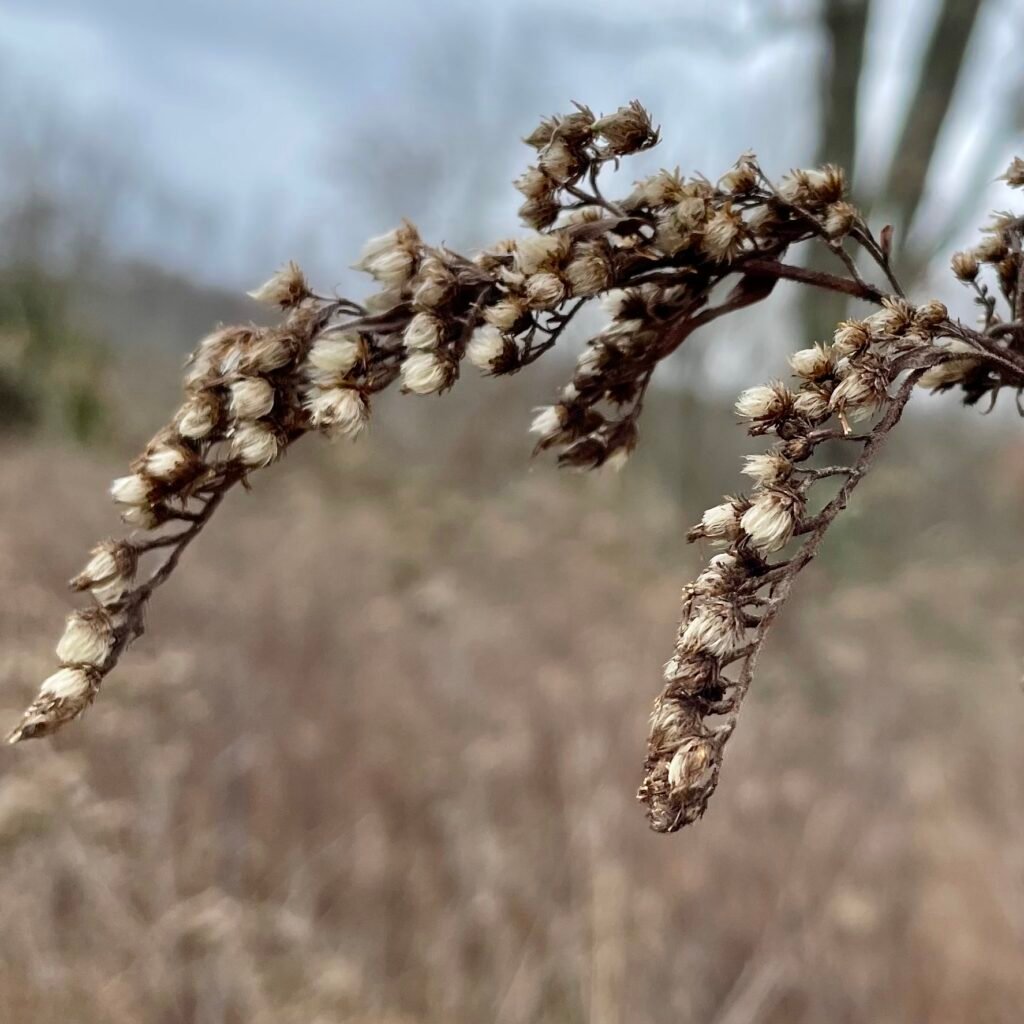
Gardener’s Action Tip: It is easy to look at a patch of brown, broken stems and see “yard-debris,” but to a native bee, that debris is a life-saving shield. Leave these structures completely intact. The standing stalks catch falling snow, creating air pockets that insulate the soil below where ground-dwelling bees are sleeping.
____________________________________________________________________________________________
Flower (Echinacea)
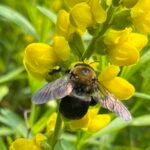
(Bombus)
Winter habitats may look like “yard debris,” but they serve as protected nurseries.
____________________________________________________________________________________________
Butterflies in Winter: Every Stage Matters
While the iconic Monarch travels south, our resident backyard butterflies stay behind trusting the local landscape to protect them. Depending on the species, they face the cold in entirely different forms.
The Adult Shelterers: Butterflies like the Comma (Polygonia) seek out the deep tree-cavities, log piles, or the underside of loose tree bark to ride out the winter storms.
The Chrysalis Creators: Species like the Eastern Tiger Swallowtail (Papilio) spend the winter as a hardened chrysalis. They camouflage themselves as dry brown leaves or twigs, hanging from garden fences and low brambles.
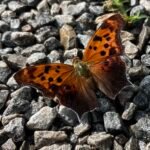
(Polygoinia)
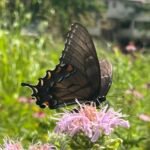
(Papilio)
The Leaf-Rolled Larvae: Many skipper and moths spend the winter as caterpillars, rolling themselves tightly inside fallen leaves on the ground.
The Attached Eggs: Hairstreaks and coppers lay hardy offs that anchor firmly to the twigs of their host plants, waiting for the exact moment new spring leaves bud open.
Gardener’s Action Tip: Because a swallowtail chrysalis looks exactly like a dead twig, it is incredibly easy to accidentally throw them away during a winter cleanup. Keep your pruners in the shed! Trust that even if you cannot see them, the next generation of butterflies is clinging to your garden plants right now.
___________________________________________________________________________________________
Native Plants: Built-in Shelter
The Native plants we leave standing through the winter are more than just beautiful structural elements against the snow. They are lifeboats. Strong stalks, fibrous bark, and pithy centers offer perfect microclimates for overwintering insects.
Purple-Coneflower (Echinacea): The dense leaf litter at the base acts as a warm blanket, while the sturdy stalks provide stability against heavy snows.
Black-eyed Susan (Rudbeckia): The rigid, textured stems offer an excellent, textured surface for butterflies to safely anchor their winter chrysalises.
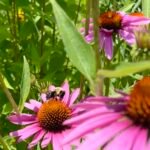
Bumblebee (Bombus)
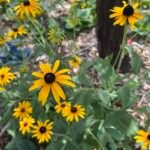
(Rudbeckia)
Joe-Pye Weed (Eutrochium): The hollow, thick stems of this giant perennial create cozy multi-chambered winter cabins for cavity-nesting bees.
Twiggy Thickets: Dense, native woody plants with soft, pithy centers such as Sumac, Elderberry, and Raspberry, provide premium winter boring sites for small native bees.
______________________________________________________________________________________
Winter Help for Pollinators
Simple choices make all the difference for overwintering pollinators. Leave perennials and grasses standing. They provide shelter from the cold. As winter begins to thaw, wait for several consistent 50°F days before cutting back stems to ensure that overwintering chrysalis and adults have emereged. Keep leaf litter in place. It acts like a warm blanket. Avoid deicers that harm soil life.
A Season of Quiet Impact
Winter is ultimately a season of profound restoration. In the quiet stillness of these cold months, your garden isn’t dead. It is actively preparing to bloom again. By stepping back and leaving undisturbed soil, standing hollow stems, and dried seed heads, you are protecting the future of our ecosystems. When the first warm breeze of spring arrives, your yard will reward you with the triumphant return of the buzz and the blooms.
In the stillness of winter, your garden is already preparing to bloom again.
Useful Links
Learn More About Pollinators
inaturalist Share photos. Collaborate with pollinator enthusiasts.
Pollinator Partnership Discover more about pollinators. Find current events and projects.
How To Winterize Your Garden Learn more about winter gardens by U.S. Department of Fish and Wildlife.
____________________
Pollinators By Season
Spring Pollinators: The First Buzz of Spring
Summer Pollinators: The Full Cycle in Action
Fall Pollinators: Leaves and Stems