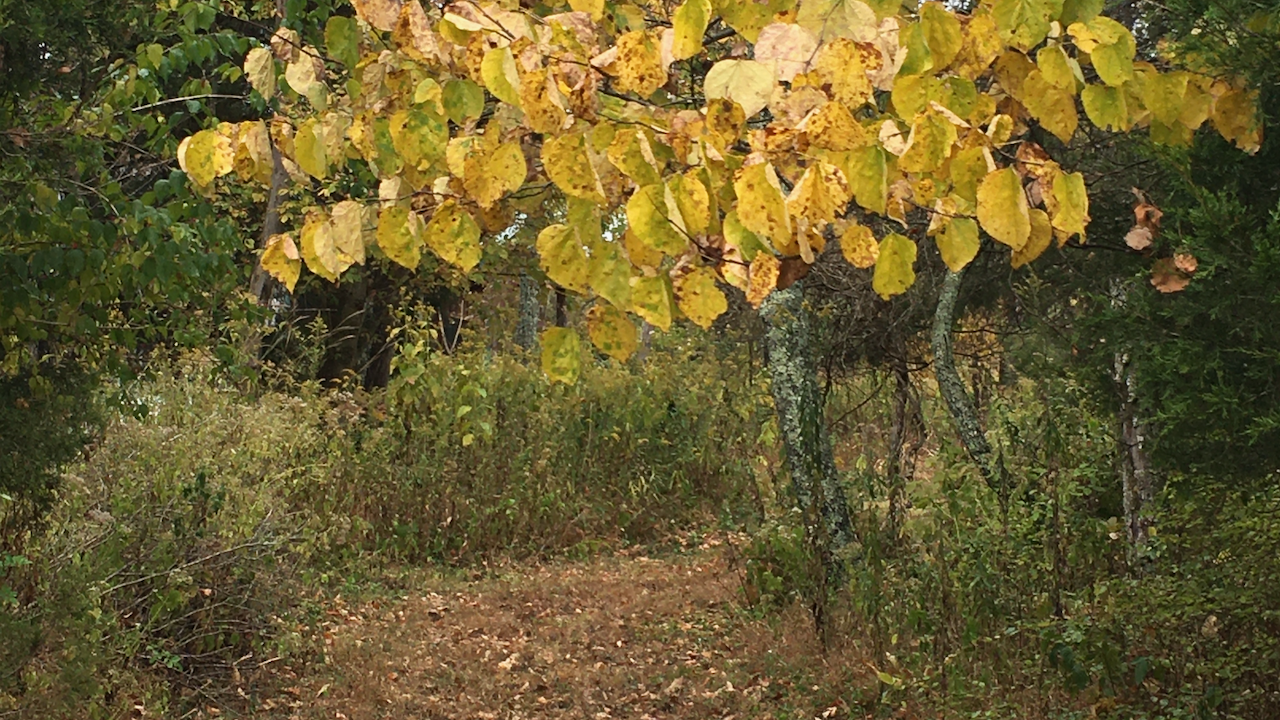
Aging leaves become a pollinator’s winter sanctuary
Autumn Pollinators: Leaves and Stems
_________________________________________________________________________
Preparing for the Chill
Autumn marks a pivotal time for local pollinators and their habitats. As the intense summer mating season wanes, native pollinators face a decision. Some must embark on a long and arduous migration south, while others must find a safe and secure local spot to overwinter. The choices we make in our yards during these cool months directly impact the survival of vital species that endure the challenging winter ahead.
The Fall Countdown: A Race for Fuel and Shelter
As autumn days shorten and temperatures plummet, pollinators engage in a series of urgent tasks to ensure their survival. They must quickly replenish energy reserves for long flights, or find reliable winter shelters to ensure the next generation is safely hidden away. To assist them, we can resist the temptation to completely clean up our yards. What looks like garden decay to us is actually a vital winter habitat for them. A garden that is too tidy inadvertently removes the essential leaf litter, hollow stems, and undisturbed soil that these insects rely on to endure the cold.
Bees in Autumn: The Final Generation
As autumn arrives, bees make a final push to ensure the future of their species. For many, this marks the end of their life cycle, while for others, it is the start of a long rest.
Bumblebee Queens (Social): Worker bees naturally die off with the first frosts. At the same time, newly mated bumblebee queens forage heavily on late blooms before burrowing alone underground, beneath leaf litter or rotting logs for the winter.
Honey Bees (Social Hives): Unlike bumblebees, honey bees reside together in permanent colonies throughout the winter. They cluster tightly inside their hives and vibrate their wings to keep each other warm.
Solitary Bees (Ground & Cavity Nesters): Species like mining and leafcutter bees spend their final weeks provisioning individual nests. Their offspring will spend the autumn and winter hibernating securely within these nests as pupae, while they wait for spring.
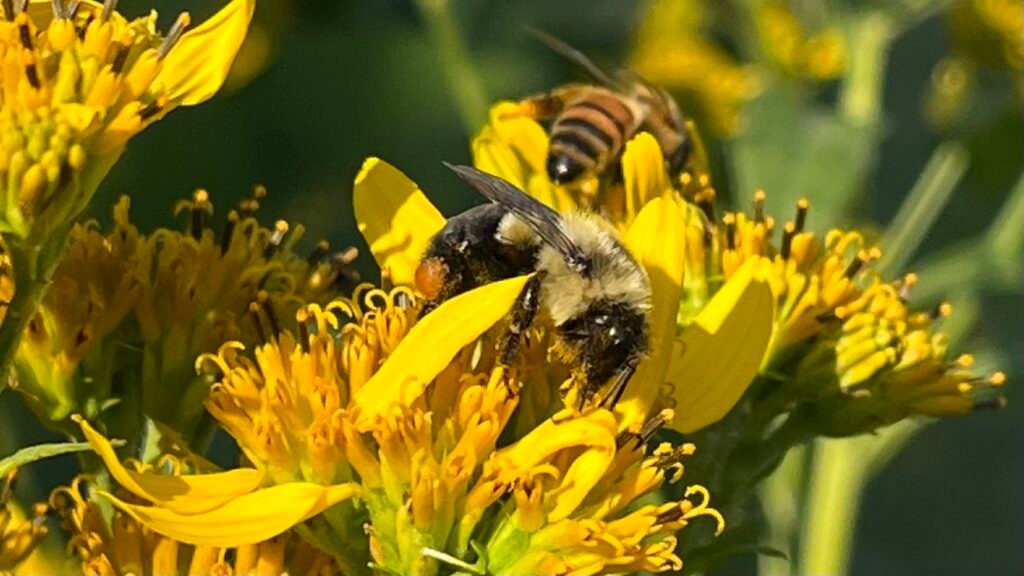
Gardener’s Action Step: You can easily create safe autumn habitats. Leave patches of bare, untilled soil for ground-nesting pupae. Keep dead flower stems standing for cavity-dwellers, and let fallen leaves pile up around the base of trees to insulate hibernating bumblebee queens.
Butterflies in Autumn: Travelers vs. Backyard Residents
Butterflies approach the autumn chill in two distinctly different ways. They rely on the changing landscape to either guide them south or protect them in place.
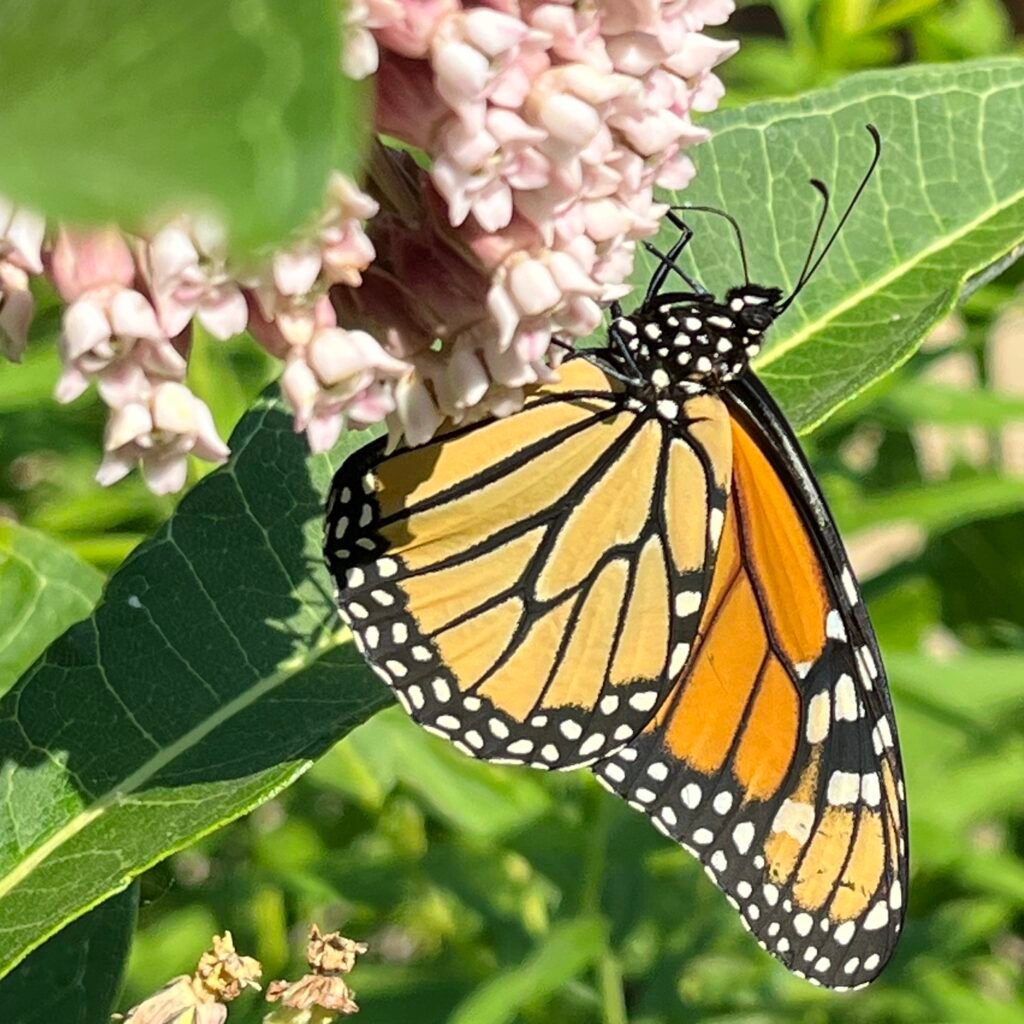
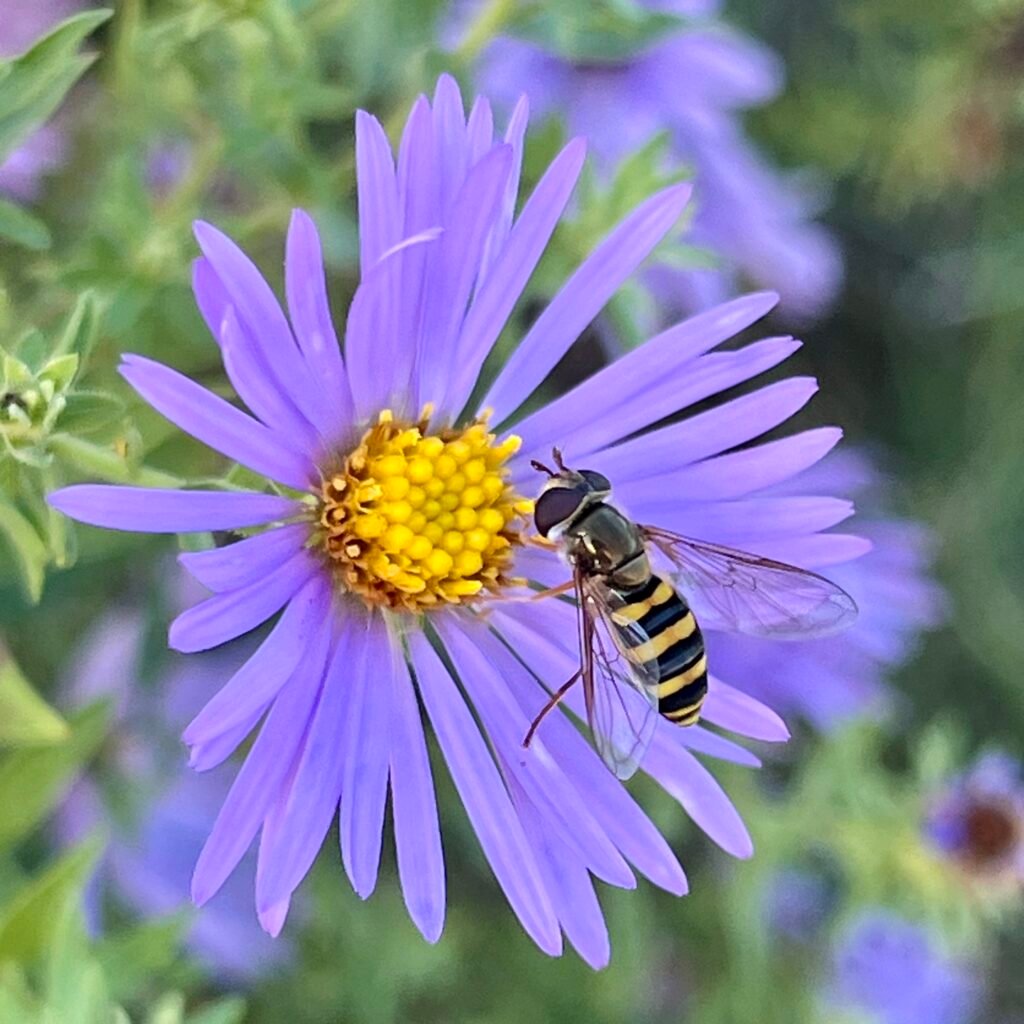
The Monarch (Danaus plexippus): These iconic travelers begin an incredible multi-generational migration south. They rely on late-season, nectar-rich flowers like Dwarf Goldenrod (Solidago) and asters (Asteraceae) as essential “fueling stations” to sustain their long flight paths.
The Mourning Cloak (Nymphalis antiopa): In contrast, these hardy butterflies stay in our backyards.They spend the fall finding deep tree hollows, bark crevices, and log piles where they will spend the winter completely frozen as adults. This allows them to emerge and drink early tree sap in the spring.
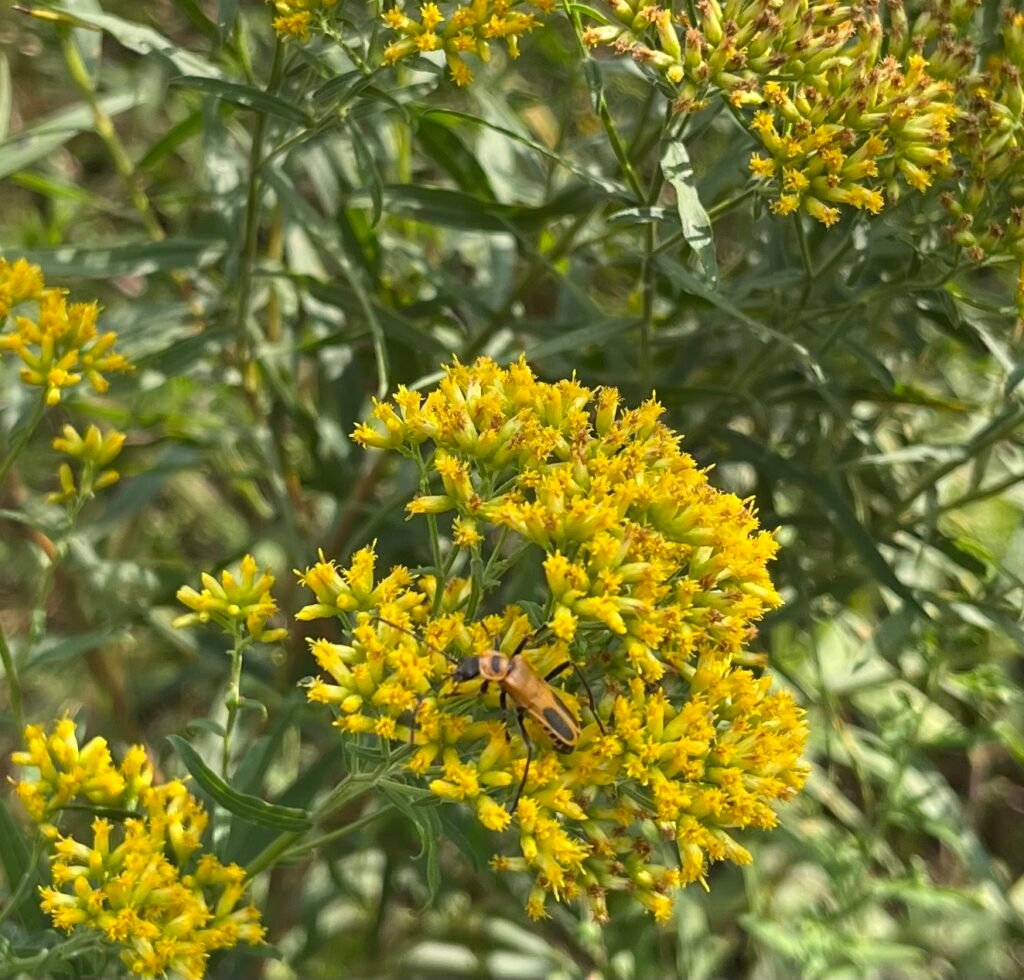
Gardener’s Action Step: You can support both strategies simultaneously. Plant late-blooming native perennials, such as goldenrods, to fuel migrating butterflies. Additionally, keep a loose brush pile in a quiet corner of your yard to offer immediate shelter for overwintering resident butterflies.
Useful Links
Read More About Fall Gardens
Xerces Society: Put Down the Pruners by Justin Wheeler, 11/11/2024. A short read about fall pollinator gardens.
_______________
Pollinators by Season
Spring Pollinators: The First Buzz of Spring
Summer Pollinators: Nature at Full Speed
Winter Pollinators: Hidden Habitats