Waking up to a world in bloom
Early Spring Pollinators
Spring’s arrival signals a crucial awakening in our local ecosystem. After months of winter dormancy, vital pollinators emerge to kickstart the year’s plant reproduction cycle. Whether they have spent the winter hiding in our yards or are arriving after a long migration, these early-season species rely on the immediate availability of food and shelter to survive.
____________________________________________________________________
First Emerging Pollinators: A Race Against Time
Compared to winter, early spring days may feel mild, but for pollinators they trigger a race against time. When temperatures rise above 55°F for several days, pollinators wake up hungry and immediately forage to regain their strength. Once restored, they must rapidly find a mate, establish territories, and build nests. Because this happens in a very short window of time, the alignment between early blooms and emerging insects is critical. Early flowers are not just beautiful yard decorations. They also provide the high-energy fuel required to produce the next generation of wildlife.
____________________________________________________________________
Bees in Spring: Queens & Solitary Architects
The Bumblebee Queen (Social) Spring welcomes the heavy buzz of the queen bumblebee. Emerging alone from her underground winter shelter, she must single-handedly find a nesting site and build a new shelter from scratch. There are no worker bees to help her build a hive yet.
Mining Bees (Ground-Nesting Solitary) Alongside the queen, solitary mining bees diligently search for bare patches of undisturbed soil to excavate underground tunnels.
(Mason Bees cavity-nesting Solitary): Meanwhile, cavity-nesting mason bees search for aboveground homes. They scout out hollow plant stems, beetle borings, and woody structures.
Gardener’s Action Step: You can directly support these architectural styles. Leave patches of bare soil in sunny spots for mining bees, keep last year’s hollow flower stems standing until late spring for mason bees, and plant early native blooms, like Columbine or serviceberry, to fuel the lonely bumblebee queens.

Bumblebee Bee
(Bombus)

Spring Mining Bee (Andrena)
____________________________________________________________________
Butterflies: First Flights & Foraging
First emerging butterflies take different paths to greet the spring. Some, like the Mourning Cloak and Comma butterfly, overwinter right in our backyards as adults, clinging safely inside tree crevices and brush piles. They are among the very first to fly in spring. Other species, like the iconic Monarch, begin a massive multi-generational migration journey north as soon as the weather warms.
Gardener’s Action Steps: Early emerging butterflies often take flight before the first flowers even open. To survive, they rely on sap flowing from tree trunks. Protect mature trees on your property and keep a brush pile in the corner of your yard to shelter overwintering adults. As the season advances, grow ground covers like violets and spring beauties to provide the nectar these first fliers desperately need.
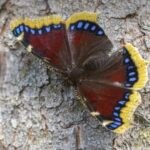
Mourning Cloak Butterfly (Nymphalis)
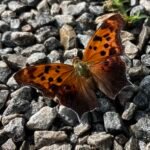
Comma Butterfly
(Augochoropis)
____________________________________________________________________
How to Spot & Protect Spring Pollinators
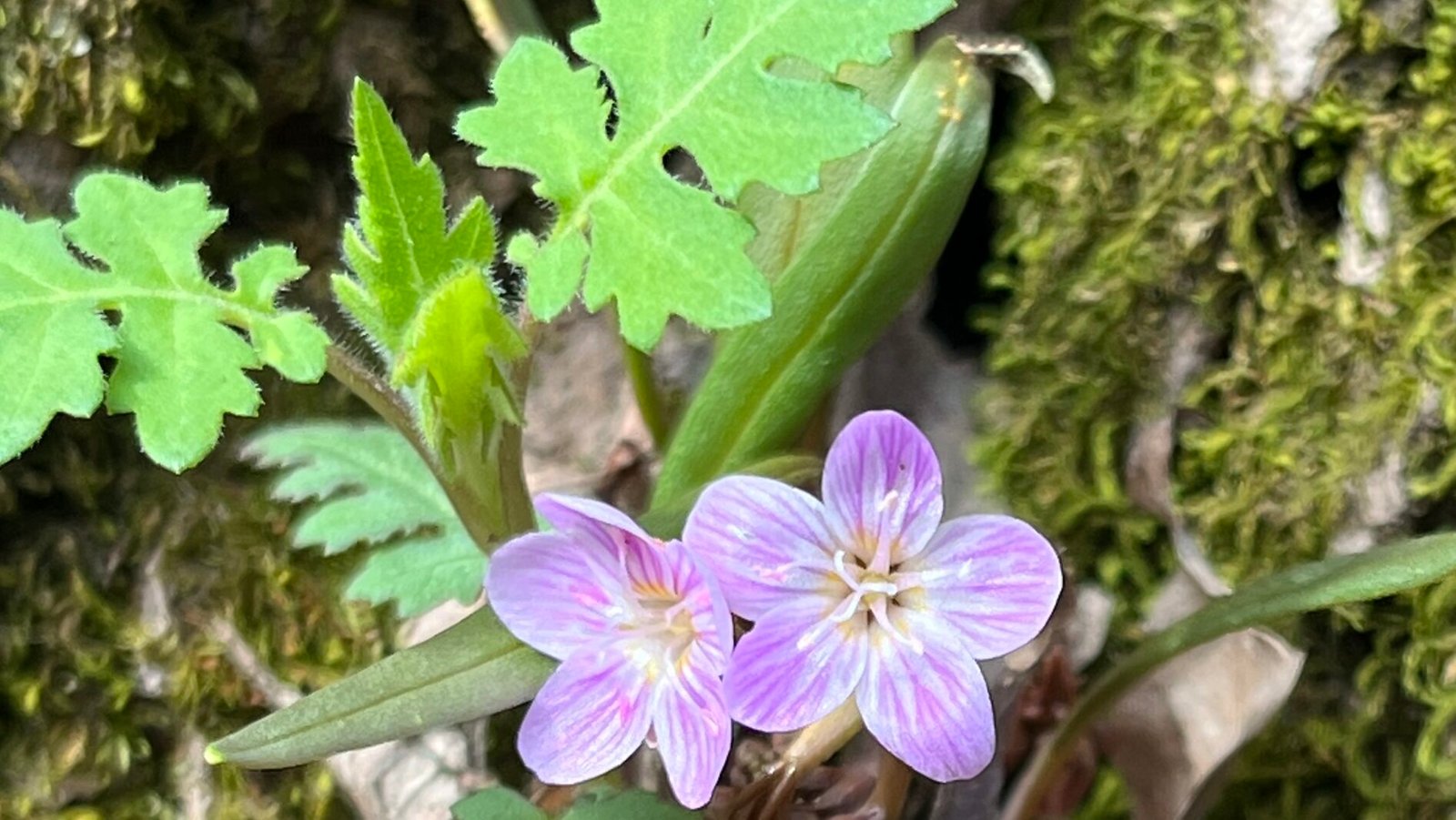
When they first emerge, spring pollinators can be hard to spot as they dart frantically from bloom to bloom in search of food. However, once they locate a rich food source or a nesting site, they slow down. To catch a glimpse of them, walk along woodland edges, low meadows, or garden borders during the warmest midday sun. Look closely at low-growing ground covers like violets and Spring Beauties or check around old logs and stone walls where bees might be nesting.
Gardener’s Action Steps
- Delay spring cleanup: Keep leaf litter and hollow stems for pollinators.
- Plant early-blooming natives: Pollinators need nectar immediately for energy after they emerge.
- Provide a shallow water source for bees: They need water for brood-rearing.
- Avoid applying pesticides in early spring: Pests and pollinators emerge simultaneously, on the first warm days.
- Citizen science tip: Take photos and report first sightings to iNaturalist or Bumble Bee Watch.
Ground Covers For Early Spring Pollinators
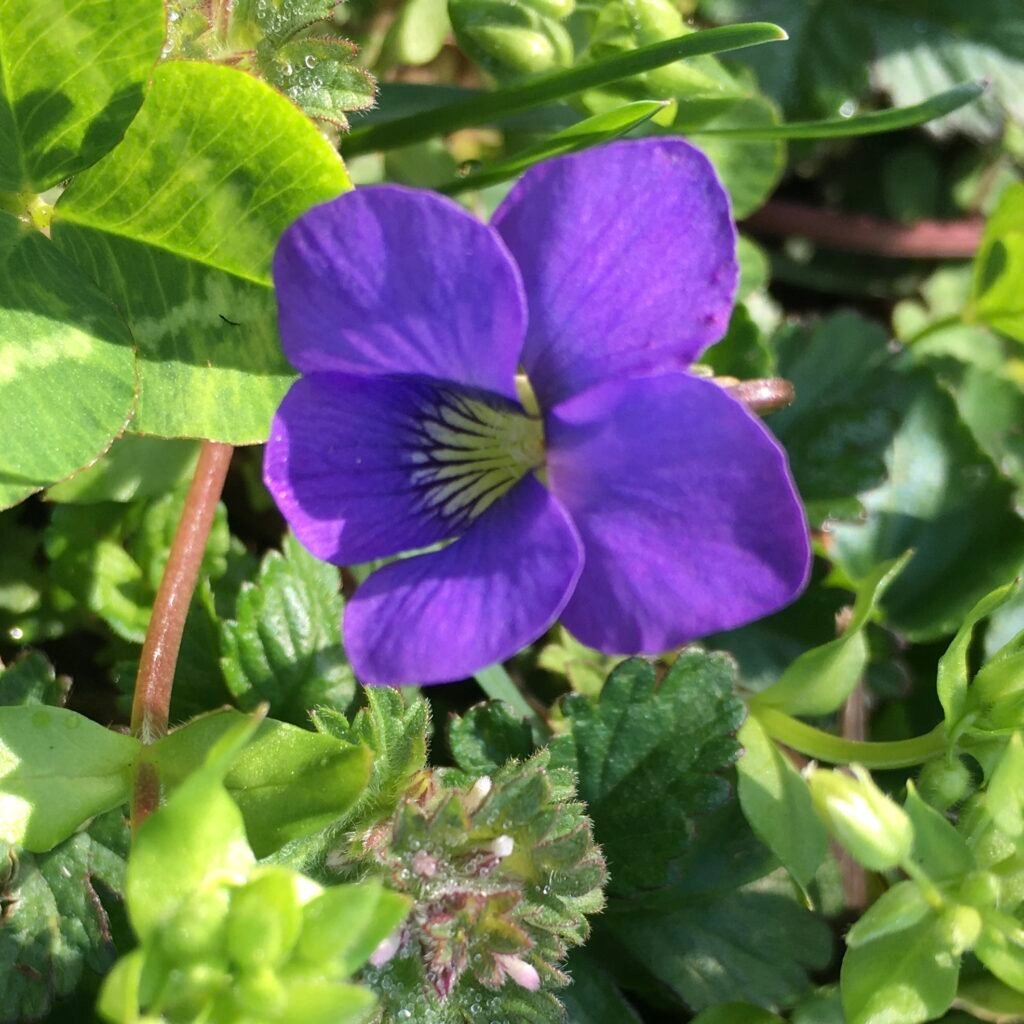
- Blue Violets are the larval host plant for fritillary butterflies.
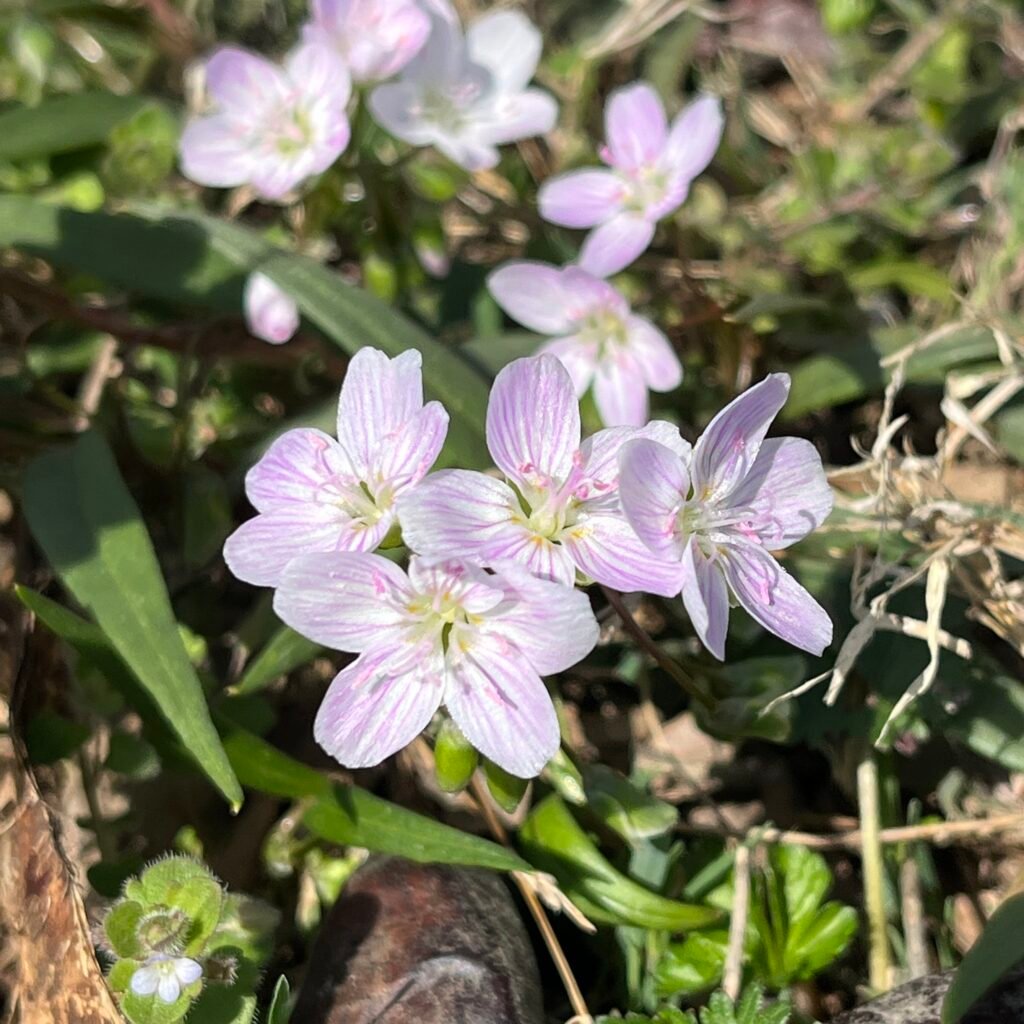
- Spring Beauties are the larval host plant for the early spring Mining Bees.
A Season of New Beginnings
Spring transforms your garden into a haven of first chances: first flights, nests, and blooms. By protecting these early stages, you lay the foundation for the life that will follow.
____________________________________________________________________
___________________________________________
Resources
Pollinators By Season
Summer Pollinators: Nature at Full Speed
Fall Pollinators: Leaves and Stems
Winter Pollinators: Hiden Habitats