Meadow Fritillary Sighting!
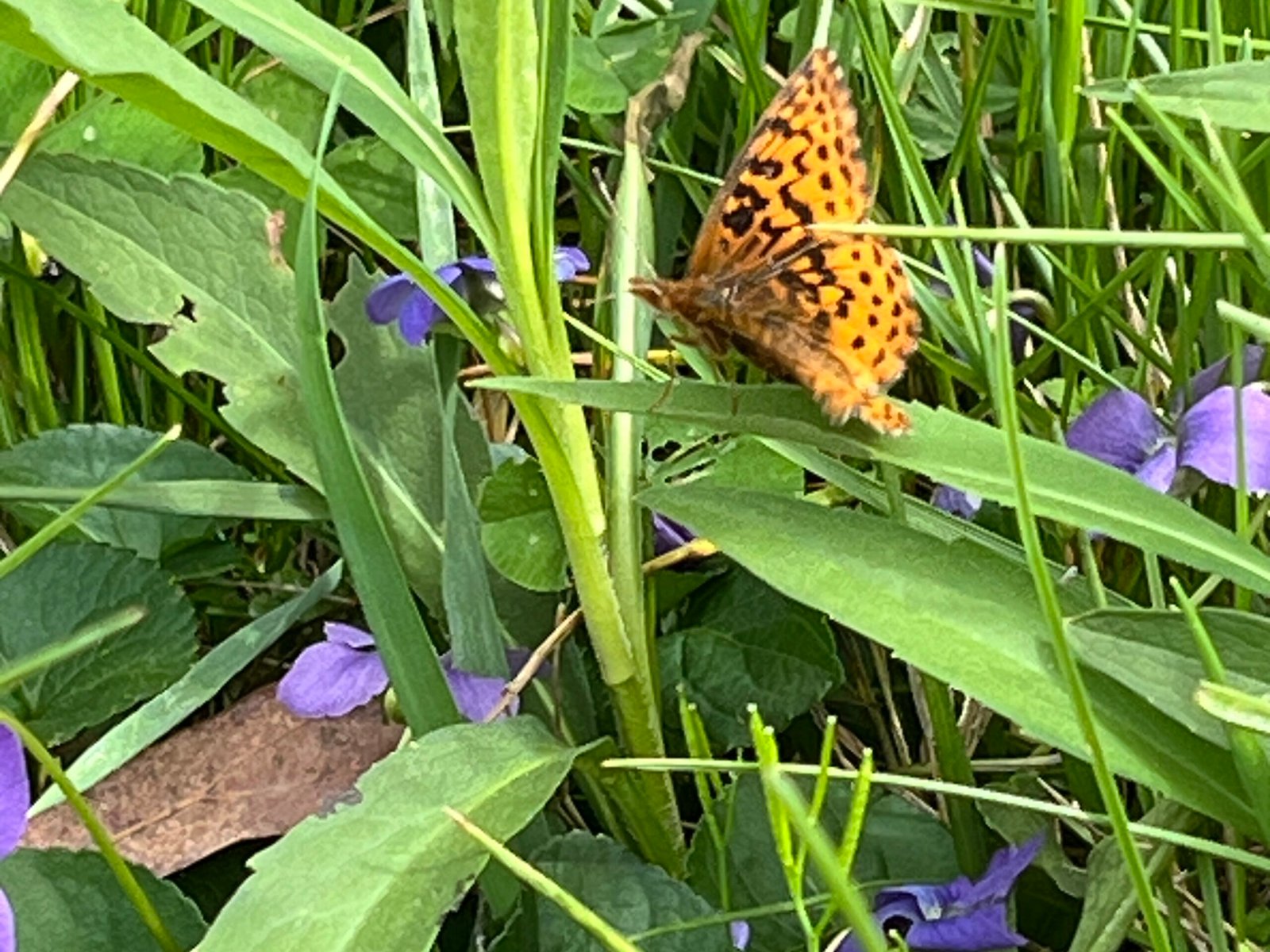
This Meadow Fritillary gracefully descended to the ground, fluttering between violets and dandelions before landing deep within a grass-covered meadow. It hovered near a patch of purple violets, pausing for several minutes, seemingly laying its eggs. Violets serve as the exclusive host plant for this butterfly, providing the perfect environment for egg-laying and caterpillar growth.
Field Notes
- Date & Time: April 6, 2026, afternoon
- Species: Meadow Fritillary (Boloria bellona)
- Location: Central Kentucky, Bluegrass Region, urban park meadows.
- Conditions: Partly cloudy, temperature in the low-70s.
Mid-Spring Pollinator Companions
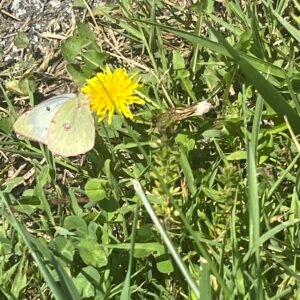
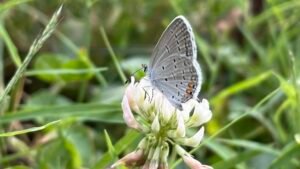
Clouded Sulphur and Eastern-tailed Blue butterflies are also known to flit above grassy meadows along with fritillaries. They can be seen together searching for nectar-rich flowers.
Life Cycle and Habitat
During winter, Meadow Fritillary caterpillars hibernate under leaf litter, where they remain in a dormant state. When spring arrives, the overwintering caterpillars emerge and feed on violets before transforming from chrysalis to an adult butterfly. Once transformed, the adult butterfly swiftly searches for food and a mate. They typically produce two or three broods per year.
Host and Nectar Plants
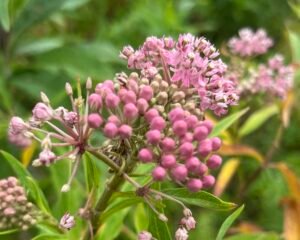
Meadow Fritillaries depend on the Common Blue Violet, their host plant, to lay eggs. Additionally, the violet offers a rich source of nectar that gives the butterfly energy to reproduce, and its heart-shaped leaves acts as a shelter for caterpillars. Lastly, this butterfly will seek out nectar found on plants sources such as dandelions, mints, or thistles that flourish in sunny meadows.

Fun Facts
Indentification Clue: Unlike the Great Spangled Fritillary, the underside of the Meadow Fritillary’s hindwing displays a distinctive mottled lavender-gray and rusty-orange color, devoid of any slivery-gray spots.
Flight Dance: Watch this butterfly in flight and you will notice its graceful, low-to-the-ground aerial dance, almost effortless compared to the frantic fluttering of other field species.